The most expensive document on a Dubai refurbishment project is usually the one everyone trusts: the existing drawing set. Here is what it hides — and what an accurate as-built survey changes.
At Al Warqa Survey Engineering, we see the same pattern across refurbishment and fit-out work in Dubai and across the UAE. The drawings are available. They were accurate once. The budget is signed off against them. Then demolition starts — and the building begins telling a different story.
A wall that is not where it should be. A beam the drawings never recorded. A riser routed nowhere near its documented path. None of it was on anyone's drawing — and all of it lands as a cost mid-project, at exactly the point where changing course is most expensive. This is the problem an as-built survey is designed to eliminate.
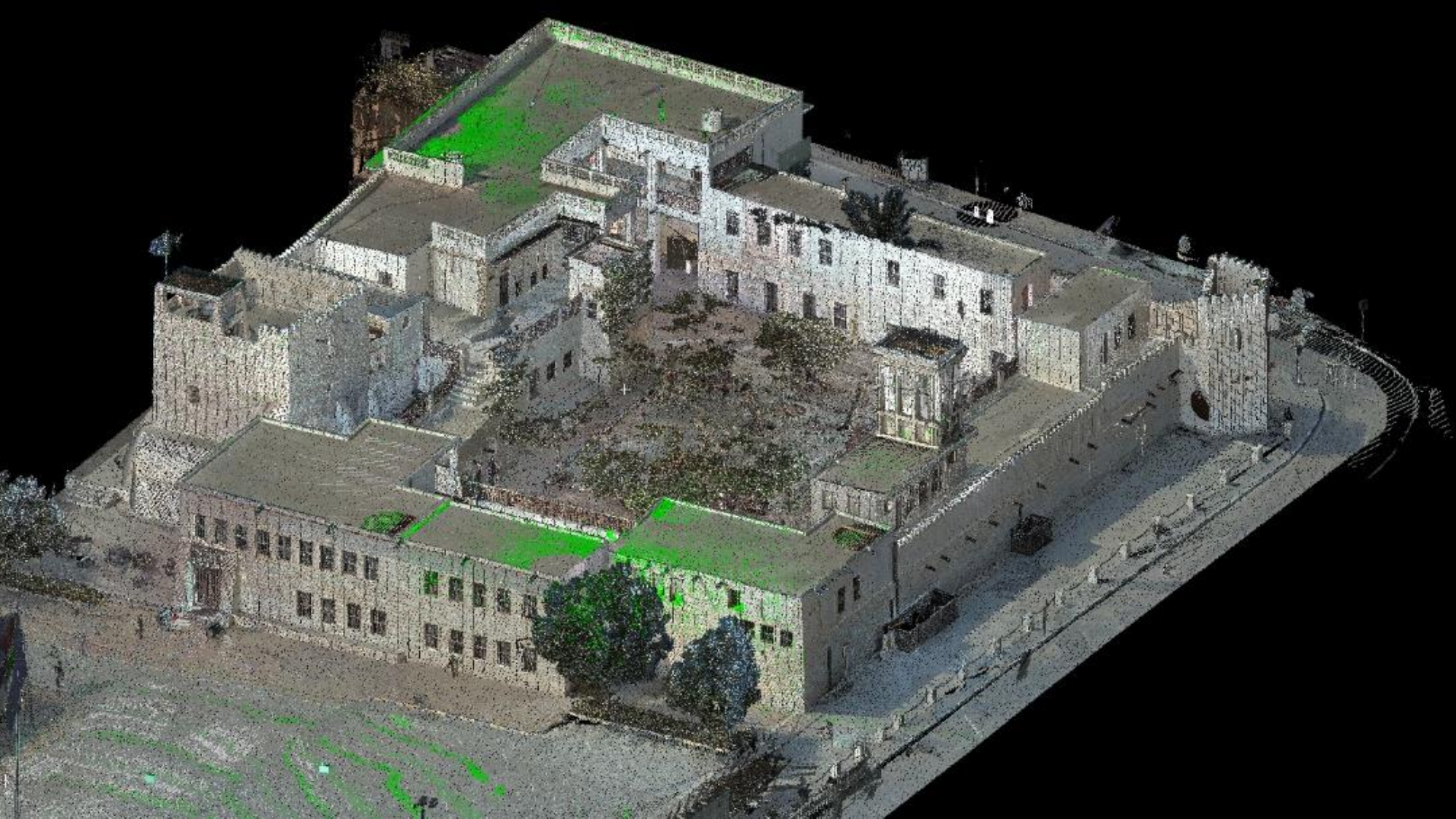
Why refurbishment budgets in Dubai rely on a dangerous assumption
Every renovation budget rests on one assumption: that the existing drawings reflect the building as it actually is. In our experience across Dubai and UAE refurbishment projects, that assumption is almost never fully true — and often significantly wrong.
An as-built survey is the cheapest line item on a refurbishment — and the one that protects every line item after it.
What old drawings hide — and what an as-built survey reveals
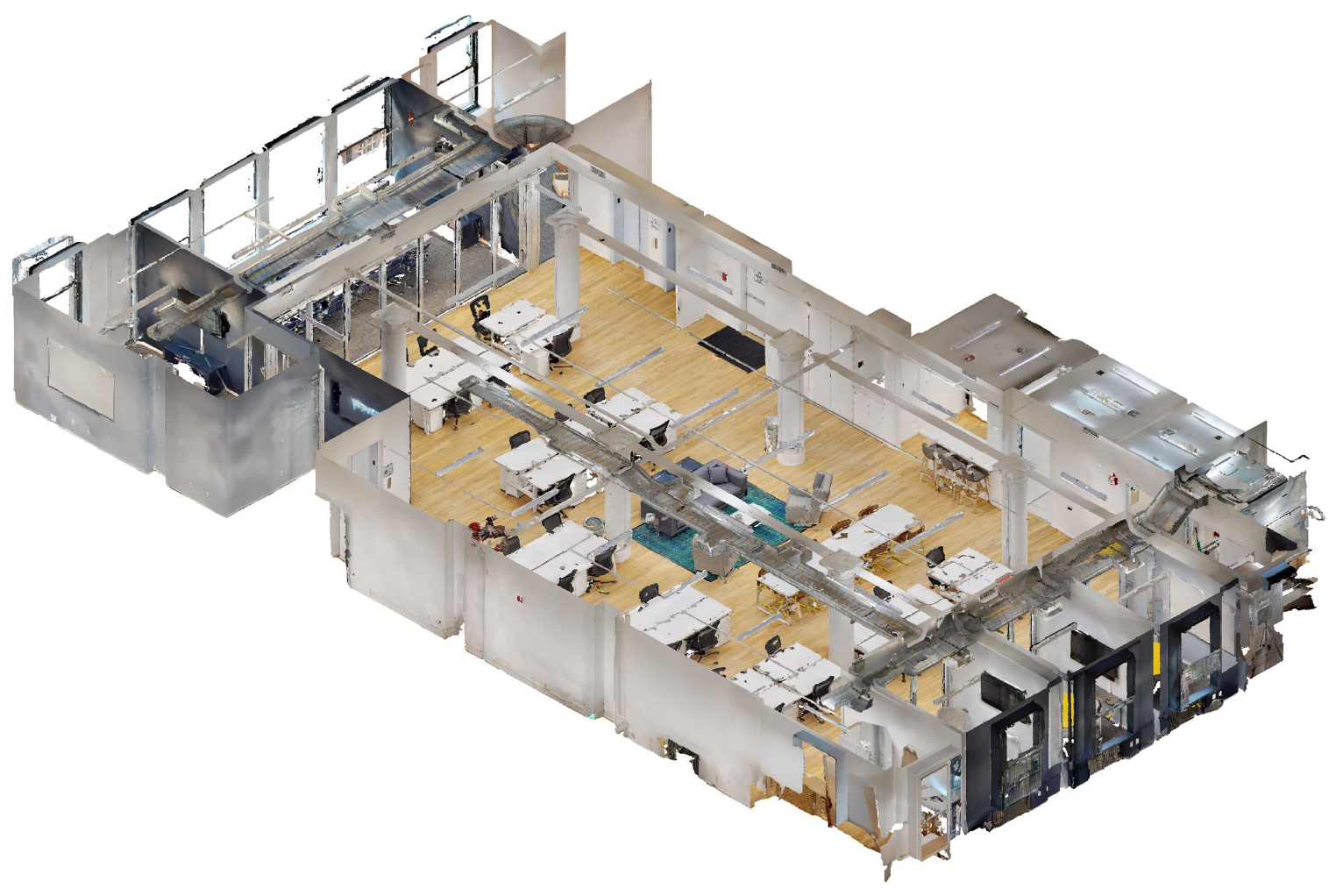
- Undocumented changes — years of modifications (moved walls, sealed openings, rerouted services) that never made it back onto the record set
- Dimensional drift — a line on a 2D drawing carries tolerance; 30–50 mm of error is common, and a design built to the millimetre will not fit
- Hidden services — the real routing of pipes, ducts, and cables rarely matches design intent; you discover it during demolition
- No coordination — 2D drawings cannot clash-check; trades that 'fit' on paper collide in the ceiling void
The five-step budget erosion pattern
A renovation budget rarely fails in a single moment. It erodes — one discovery at a time:
- Site discovery — reality does not match the drawing
- Design rework — the team redraws to fit what is actually there
- Variation order — scope changes, cost climbs
- Programme delay — trades wait, sequencing breaks
- Knock-on cost — idle labour, re-mobilisation, extended preliminaries
One wrong assumption can trigger all five. Multiply that across a project full of assumptions inherited from an old drawing set, and the overrun is not bad luck — it was budgeted in from day one, invisibly.
What renovation rework actually costs in the UAE
Rework — redoing what was already built — runs at around 5% of total project cost on a typical job, and climbs to 9–20% once delays and knock-on costs are counted. Studies trace up to 70% of that rework to design and information errors, and roughly a fifth of all rework to inaccurate or out-of-date information — which is exactly what an old drawing set is.
On a AED 5M refurbishment, rework at just 5% is AED 250,000 gone — most of it traceable to a design built on a building that had quietly changed.
Typical problems — and what they cost on a Dubai fit-out
- A wall or column 150–200 mm off the drawing — partition layouts, joinery, and door schedules get redesigned after fabrication: AED 40k–120k on a mid-size fit-out
- A riser or duct routed nowhere near its documented path — the clash surfaces at demolition; services are rerouted and the programme slips two to four weeks: AED 80k–200k once delay is counted
- Floor-to-soffit height shorter than drawn — the ceiling void will not take the coordinated services, so MEP and ceilings are reworked: AED 50k–150k plus the slip
None of these were on a drawing. All of them were in the building — waiting to be measured.
How an as-built survey in Dubai eliminates the risk
The correction happens before design even begins. Instead of trusting the old set, we capture the building exactly as it stands today — with two scanners that cover each other's blind spots.
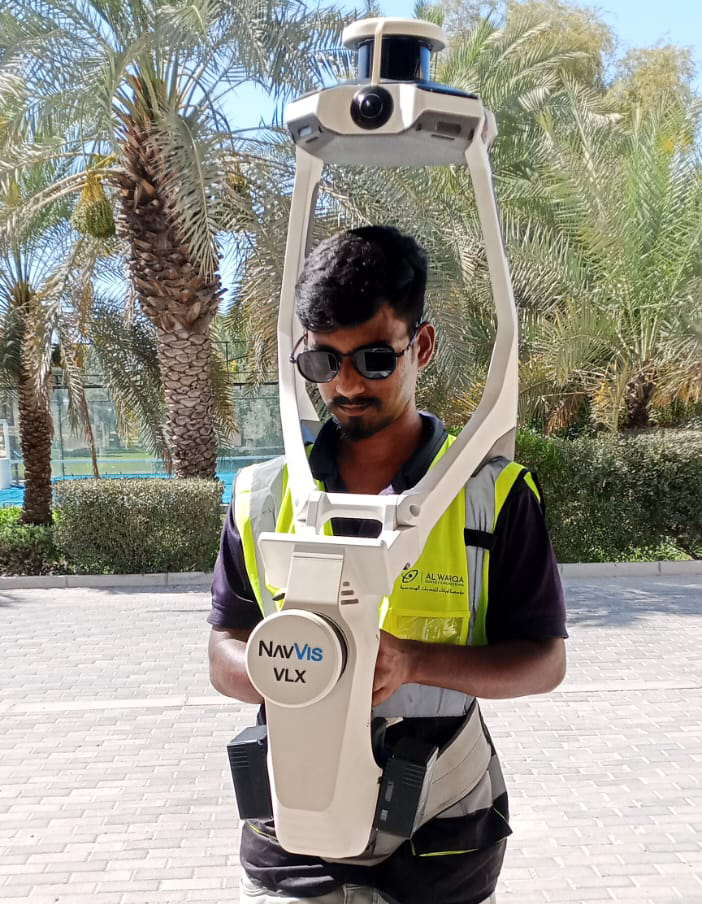
The NavVis VLX is worn, not mounted: an operator walks the building and records the whole space as a 3D point cloud on the move, fast enough to cover a full floor in a single off-hours shift, with 360° imagery of every room. Where the design needs tighter detail — risers, plant rooms, structural connections — the Leica ScanStation P40 drops in at survey-grade accuracy. Both register into one survey-controlled point cloud, then become a scan-to-BIM model in Revit the whole design team works from — not a memory of the building, but the building itself.

From existing space to design-ready scan-to-BIM model
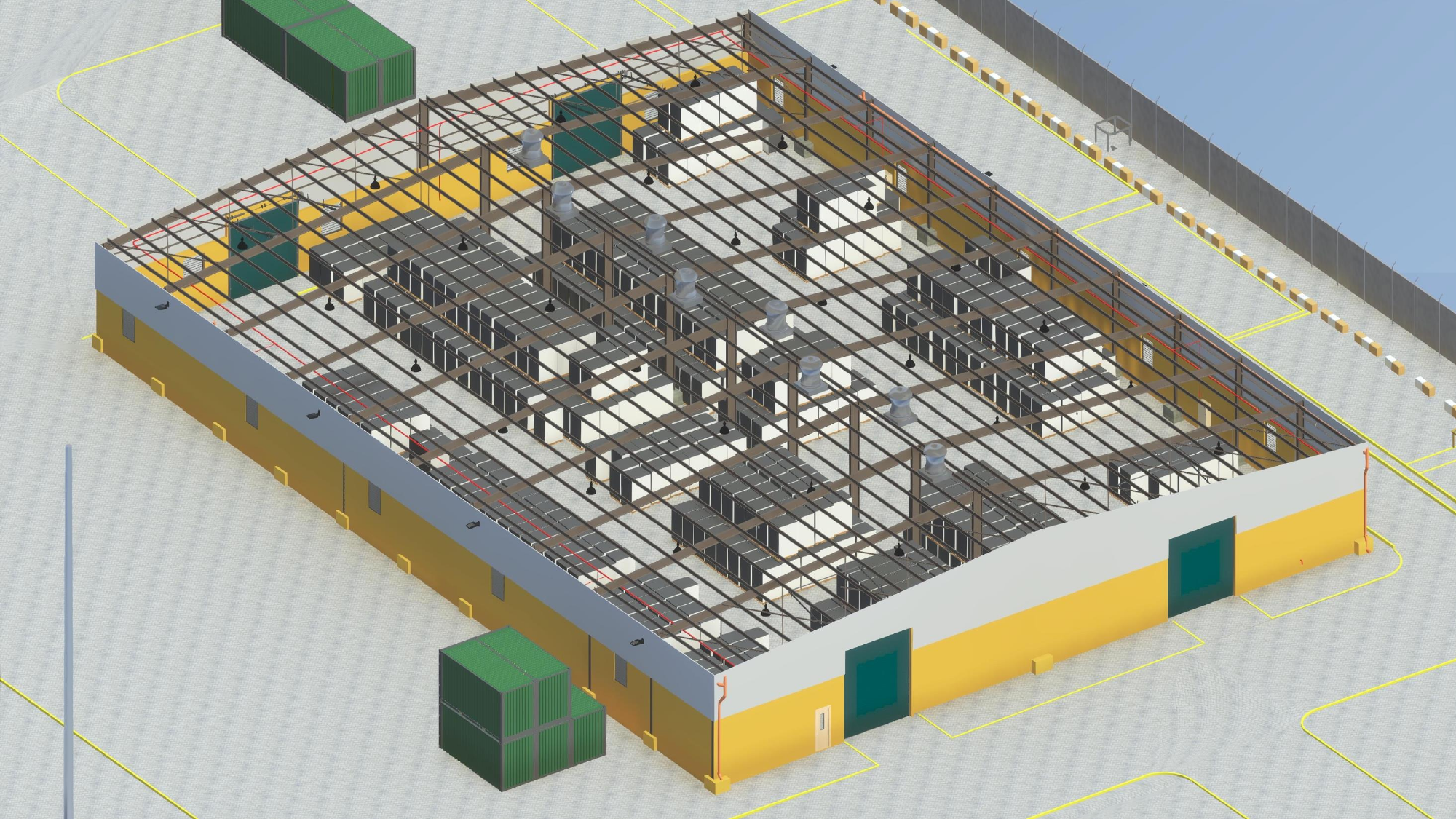
On a typical occupied-building refurbishment, a full floor plate is captured in a single off-hours shift — the VLX for full coverage, the P40 on the detail areas — with no disruption to the people using the space. Every scan ties into one control network and registers to within a few millimetres. The design team has an accurate 3D model, 2D as-built drawings, and a clash-ready BIM in days — before a single wall comes down. The surprises surface on screen, weeks before a site crew would have found them with a hammer.
What the design team receives from an as-built survey
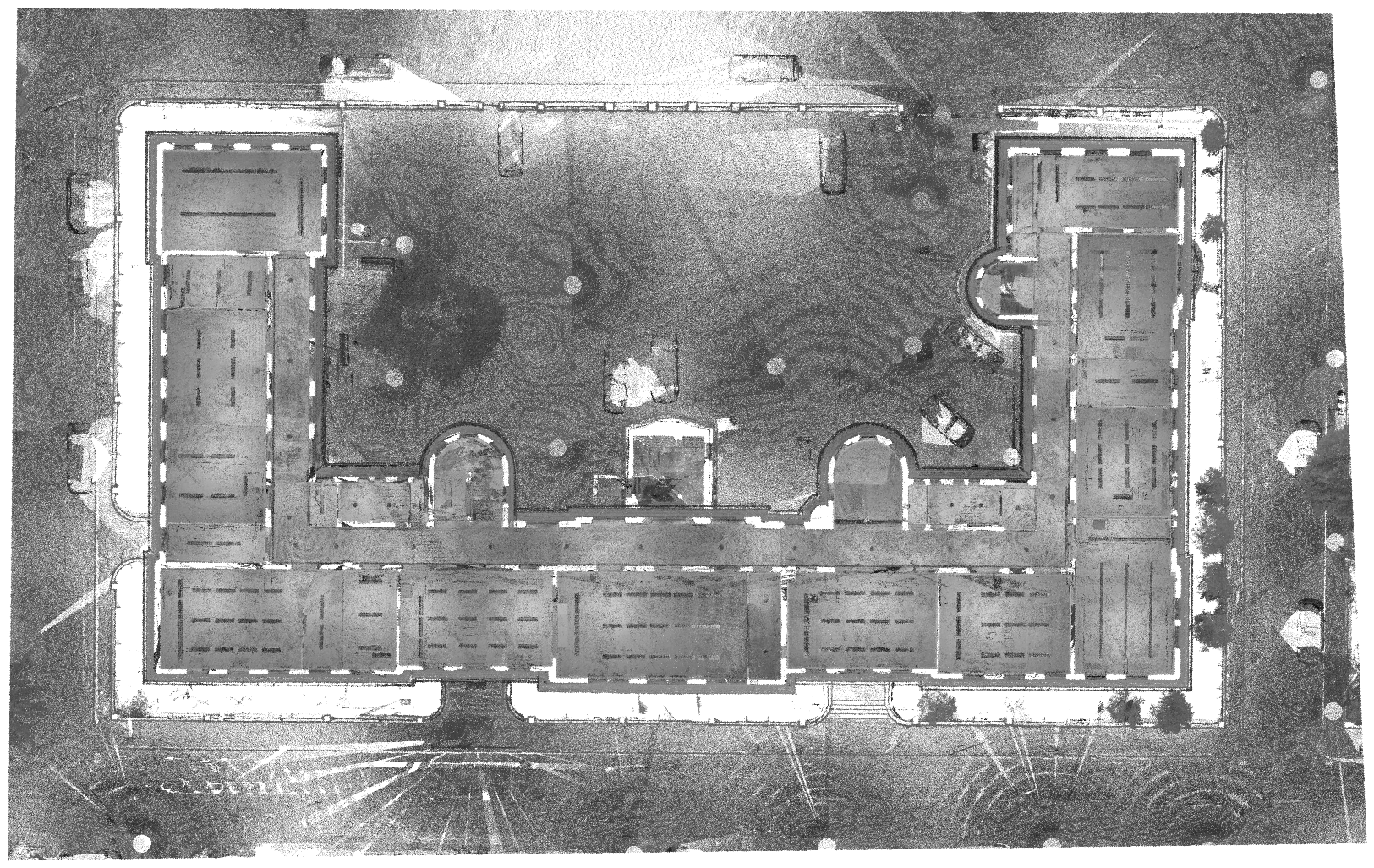
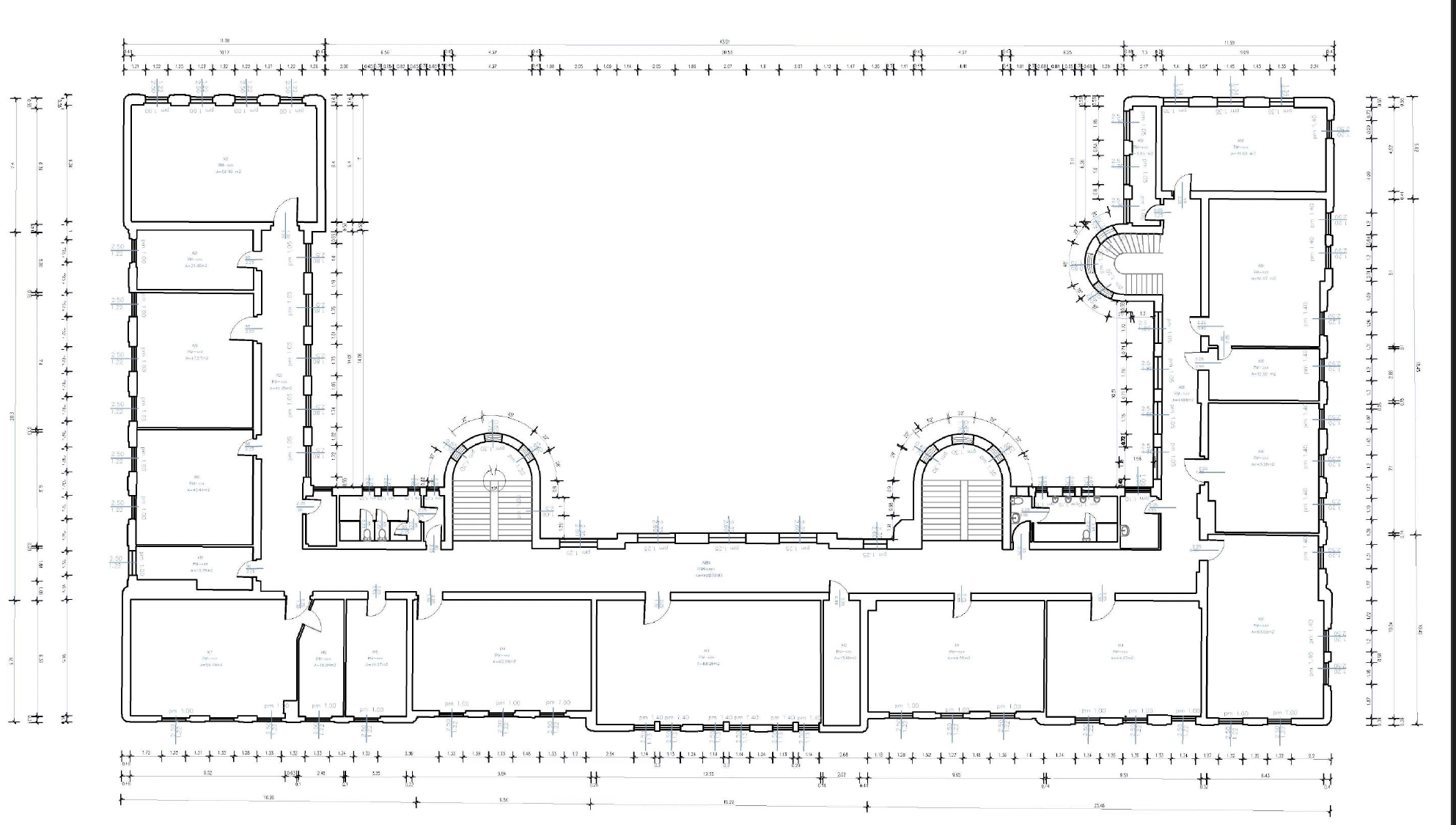
- Survey-grade 3D point cloud of the existing space
- Scan-to-BIM model in Revit, to the LOD your design stage requires
- 2D as-built drawings — plans, sections, elevations in DWG
- A clash-ready model for coordination before demolition, not during
Design off a drawing, or design off the building?
Design off an old drawing and you are designing off a memory — accurate once, quietly out of date now. Every gap becomes a variation order, a delay, a cost discovered too late to be cheap.
Design off an as-built survey and you are designing off the building itself. Nothing about the existing space is left to assumption — which is the only way a renovation budget set on day one is still standing on handover day.
Measure once. Design once. Build once. Contact Al Warqa Survey Engineering to commission an as-built survey or scan-to-BIM model for your next refurbishment or fit-out project in Dubai or anywhere across the UAE.
Frequently Asked Questions
What is an as-built survey in Dubai and when do I need one?
An as-built survey captures the exact current condition of an existing building — wall positions, structural elements, MEP routing, and floor-to-ceiling heights — producing drawings and models that reflect what is actually built rather than what was originally designed. In Dubai, you need one before any refurbishment, fit-out, extension, or change-of-use project where the existing drawings may be incomplete, old, or simply unavailable.
How much does an as-built survey cost in Dubai?
Cost depends on building size, complexity, and required deliverables. A single occupied office floor of 500–1,000 sqm with 2D as-built drawings typically ranges from AED 8,000 to AED 18,000. A full scan-to-BIM model in Revit at LOD 300 for the same floor ranges from AED 15,000 to AED 35,000. Larger buildings, multiple floors, or complex plant rooms are priced on scope. Contact us for a fixed-price quotation based on your project.
How long does an as-built survey take?
For a single floor of 500–1,000 sqm, laser scanning is completed in one shift (typically off-hours to avoid disruption). 2D as-built drawings are delivered within 3–5 working days. A Revit scan-to-BIM model at LOD 300 takes 5–10 working days after scanning. Larger buildings should allow 2–4 weeks from scan to model delivery.
Can you carry out the as-built survey without shutting down the building?
Yes. The NavVis VLX mobile scanner is worn by the operator and covers a full floor while walking through the space — it does not require setting up tripods in every room or clearing the area. Most occupied-building surveys in Dubai are completed during off-peak or out-of-hours periods with minimal disruption to occupants.
What is the difference between an as-built survey and a scan-to-BIM?
An as-built survey is the field capture process — laser scanning the building to produce a verified point cloud and 2D drawings of the existing conditions. Scan-to-BIM is the additional step of using that point cloud as a reference to build an intelligent 3D model in Revit. Many projects need both: the as-built drawings for authority submissions and contractor tendering, and the BIM model for MEP coordination and clash detection before works begin.
Need a Survey in Dubai?
Al Warqa Survey Engineering — ISO 9001:2015 certified, operating since 2000. 15,000+ projects completed across the UAE and KSA.
Get a Free Quote